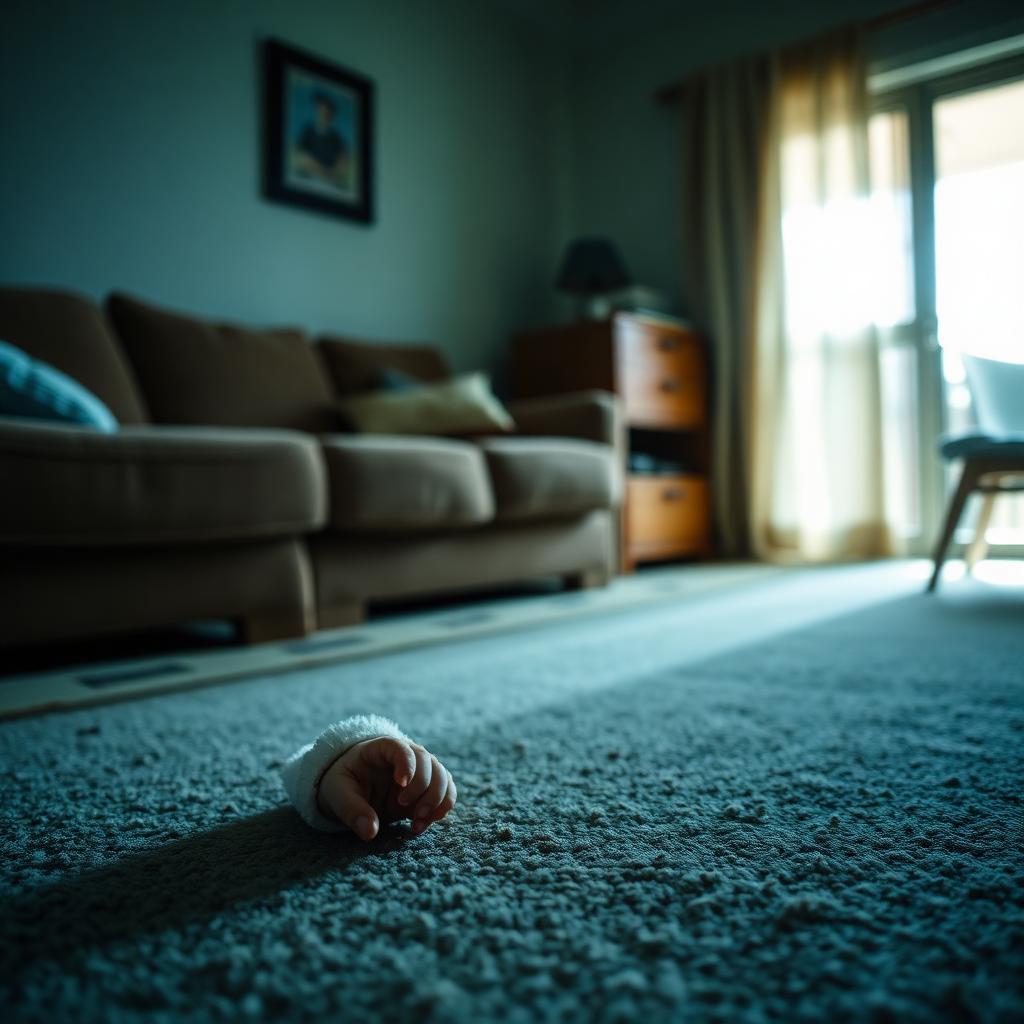
A property or vehicle that was once used to smoke or manufacture methamphetamine can keep affecting the health of the people who use it long after the person responsible has gone. The residue is invisible, it has no smell, and a fresh coat of paint or a deep clean can hide the history of a room while leaving the contamination in place. If you have bought a home, signed a lease, or picked up a second hand car and something feels off, it is reasonable to want straight answers about the health risks and what to do about them.
This guide explains the real health risks of meth contamination, who is most at risk, how vehicles fit into the picture, what the Australian safety benchmark is, and how to find out for certain whether a space is safe.
What meth contamination actually is
There are two ways a property becomes contaminated. The first is manufacture, where the chemical process used to make the drug leaves a wide range of toxic residues across every surface. The second, and far more common, is use. When methamphetamine is smoked indoors, the heated vapour spreads through the space and settles onto walls, ceilings, carpets, furniture and inside air conditioning and ducting. Repeated use builds up over time. Either way, you do not need to be a drug user to be exposed. Living or sitting in the space is enough.
The health risks of meth residue
Once residue is on the surfaces of a space, it exposes people in three ways. It transfers onto skin and hands through ordinary contact. It becomes airborne again when surfaces are disturbed by cleaning, renovation or daily living. And it can be swallowed in small amounts, which is the main route of exposure for young children.
The effects that are best documented are those of shorter term exposure. State health authorities note that exposure to methamphetamine residue can cause irritation to the eyes, breathing difficulties, headaches, dizziness, nausea and skin irritation. Some people also report disturbed sleep, irritability and difficulty concentrating, particularly where exposure continues over time.
It is worth being honest about the science, because credibility matters more than scare tactics. Research into long term, low level residue exposure is still developing, and the experts who set the rules acknowledge that uncertainty. That is exactly why a precautionary approach is the sensible one. You cannot judge a safe level by how you feel, because some effects build slowly and some people are far more sensitive than others. The only way to remove the guesswork is to measure it.
Who is most at risk
Children carry the greatest risk, for three reasons. They spend more time on the floor and on carpets where residue settles. They put their hands in their mouths far more often than adults. And they absorb a larger dose relative to their body weight. Pets are exposed for the same reasons. People with asthma or other respiratory conditions, and anyone already sensitive to chemical irritants, also feel the effects sooner. If a family with young children is moving into a home with any history of drug use, a screen is the single clearest way to protect them.
Or call or email us at jana@safetracebiohazard.com
Health risks in a contaminated vehicle

Vehicles are the part of this problem that almost nobody talks about. A car that has been used for smoking, or that previously belonged to someone involved in supply, can carry the same residue as a contaminated home. The risk is arguably worse, because a car is a small, enclosed, poorly ventilated space. Residue concentrates on the steering wheel, the seats, the headlining and inside the air vents, and it transfers straight onto the hands and clothing of whoever sits inside.
If you have bought a second hand vehicle and noticed unexplained headaches, skin irritation or a metallic taste, or if the history of the car is simply unknown, the same principle applies. You cannot see it or smell it, so the only way to know is to test.
How long the residue lasts
Methamphetamine residue is stable and does not break down on its own in any useful timeframe. Left alone, it can remain at levels of concern for years. Ordinary cleaning, repainting and replacing carpet can hide the signs without removing the contamination from the surfaces underneath. This is why a property can present beautifully at an open inspection and still sit well above the level considered safe to live with.
The Australian safety benchmark
Australia treats 0.5 micrograms of methamphetamine per 100 square centimetres as the point above which a property is considered contaminated and remediation is recommended. That figure comes from the national Clandestine Drug Laboratory Remediation Guidelines and is the benchmark that state health departments, insurers and courts refer to as best practice. For a plain language overview written for the public, the Alcohol and Drug Foundation is a useful and independent place to start.
The amount is tiny, far below anything you could detect with your senses, which is the whole reason a visual check is never enough on its own. The only way to know where a property or vehicle sits against that benchmark is to sample and test.
How you find out for certain
A credible screen is not a hardware store swab kit. Surface samples are collected to a recognised method, NIOSH 9111, and sent to a NATA accredited laboratory for analysis. The result is a defensible number measured against the Australian benchmark, not a colour change on a strip.
SafeTrace also keeps testing and decontamination completely separate. We never test and decontaminate the same property or vehicle, and we never retest our own decontamination work. That independence means the result you receive is never shaped by anyone hoping to sell you a clean. The number is the number, and you can act on it with confidence.
SafeTrace operates with NATA accredited testing through AMAL Analytical, Decon Systems Australia certification, NIOSH 9111 sampling, a Cert IV in Work Health and Safety, and full public liability and professional indemnity cover.
What to do if you are worried
If any of this sounds familiar, the next step is simple. Book a screen for your home or vehicle and get a clear, laboratory backed answer about whether it is safe. You will know exactly where you stand, and if the space is clean you get the peace of mind that comes with it.
If you are a real estate agent, property manager, building inspector or buyers' advocate, you can also partner with us so your clients have an independent option to turn to.
Or call or email us at jana@safetracebiohazard.com
Frequently asked questions
Is meth residue dangerous to your health?
It can be. Reported effects of exposure include eye and skin irritation, breathing difficulties, headaches, nausea and disturbed sleep, with children at greater risk because of their behaviour and lower body weight. The severity depends on how contaminated the space is and how long a person is exposed.
Can you get sick from living in a former meth house?
Yes. A house that looks and smells clean can still hold residue on its surfaces, and ongoing exposure can affect health. The only way to confirm a property is safe is a laboratory backed screen measured against the Australian guideline.
How long does meth residue stay in a property?
It is stable and can remain at levels of concern for years if the property is not properly decontaminated. Standard cleaning, painting and replacing carpet may hide the signs but do not reliably remove the residue underneath.
Can a car be contaminated with meth and is it a health risk?
Yes. A vehicle used for smoking or by someone involved in supply can carry residue on the seats, steering wheel and air vents, and the small enclosed space can concentrate the exposure. A vehicle can be screened the same way a property can.
What is the safe level for meth contamination in Australia?
The national benchmark is 0.5 micrograms of methamphetamine per 100 square centimetres. Properties below this level are generally considered safe for occupation, and those above it are recommended for professional remediation.
How do I get a property or vehicle tested?
You book a screen, samples are collected to a recognised method and analysed by a NATA accredited laboratory, and you receive a clear result against the Australian benchmark. You can book a confidential screen on this page or by email.
Or call or email us at jana@safetracebiohazard.com